A gaming chair has traditionally been viewed as part of a PC setup rather than actual gaming equipment. High backrests, racing-style designs, bright colors and decorative cushions were often more important than advanced functionality. That is changing. Modern gaming chairs are increasingly designed as a genuine part of the gaming setup, with manufacturers focusing on ergonomics, adjustability and technologies aimed at making long gaming sessions more comfortable.
From furniture to equipment
A modern gaming setup consists of much more than a PC and a monitor. Gamers choose displays based on refresh rates and response times, mice based on sensor performance and weight, and keyboards based on switches and customization options.
The chair is now becoming part of the same equation because it directly affects how the player sits and interacts with the rest of the setup.
This shift can already be seen in current gaming chairs. Manufacturers increasingly focus on adjustable lumbar support, armrests, seat height, seat depth, backrest angles and head support. Razer’s Iskur V2, for example, uses adaptive lumbar support, while the newer Iskur V2 NewGen adds the HyperFlex lumbar support system and cooling-focused features designed for extended use.
Personalization is becoming more important
One of the biggest changes in the gaming chair market is the growing focus on fitting the chair to the player rather than expecting everyone to use the same design.
Secretlab is a good example. Its TITAN Evo is available in Small, Regular and XL sizes, with each version designed for different height and weight ranges while retaining the same core features.
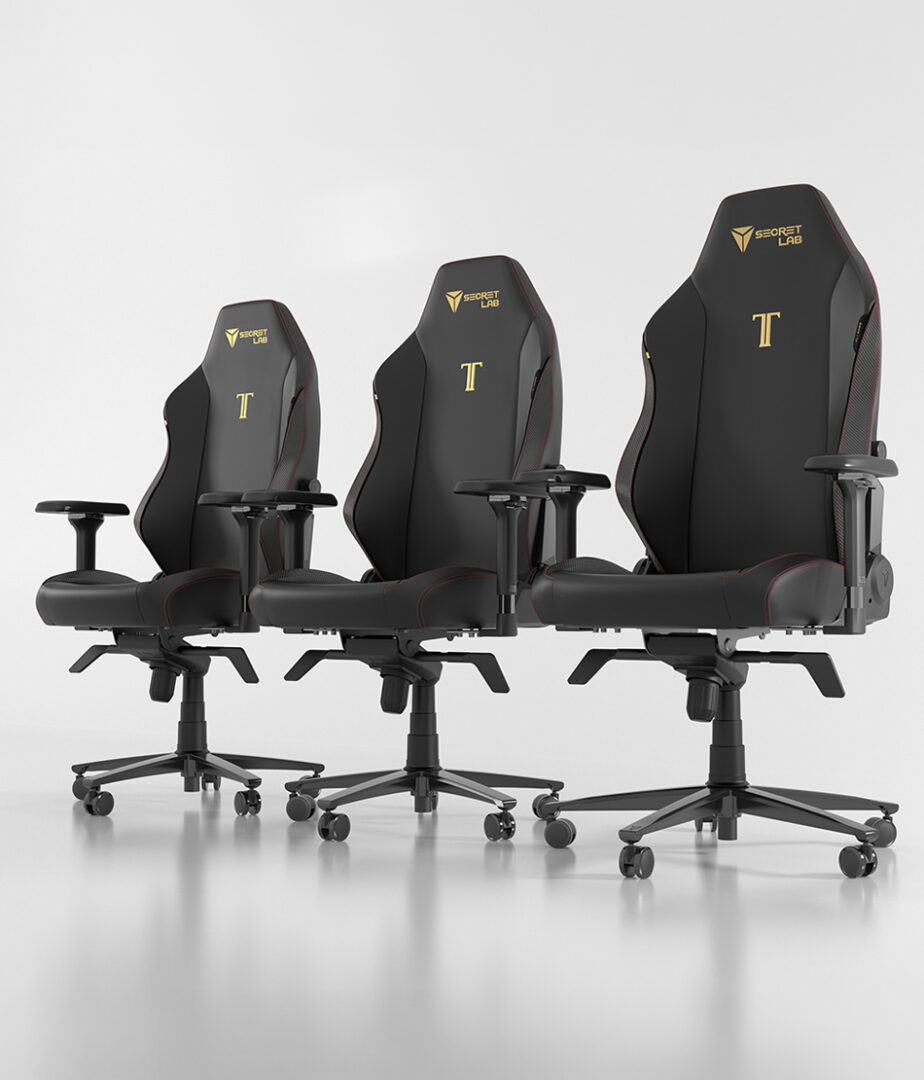
This is an important development because it brings gaming chairs closer to other types of gaming hardware. A mouse can be too large or too heavy for one player, while a monitor can be the wrong size or specification for another. The same principle applies to a chair.
For someone spending several hours at a computer every day, adjustable lumbar support, properly positioned armrests and the correct seat height can be much more important than aggressive styling or RGB lighting.
The chair is becoming part of the gaming experience
There is also a broader trend toward integrating the chair into the overall gaming environment.
Most gaming chairs are still independent pieces of equipment, but manufacturers are increasingly treating them as products designed specifically for gaming, streaming and esports rather than simply as decorative furniture.
The esports industry provides a good example. In 2026, AutoFull became the official gaming chair partner of the ESL Pro Tour and Intel Extreme Masters for the 2026–2027 seasons, with its chairs being used on competition stages and in practice areas.
That makes sense in competitive gaming. A monitor, mouse and keyboard directly affect gameplay, while the chair helps maintain a consistent and comfortable position throughout a long session.
Could gaming chairs become smart?
This is perhaps the most interesting direction for the GameTech market.
Researchers have already explored smart chairs capable of detecting a user’s sitting position. One recent project, ChairPose, uses pressure sensing to estimate full-body seated posture without relying on cameras or wearable devices. The technology demonstrates how a chair could potentially become an interactive sensing platform rather than simply a place to sit.
Future gaming chairs could potentially monitor posture, automatically adjust support, remind users to change position or even communicate with gaming software and other devices.
This is not yet a mainstream feature, but it demonstrates where the category could go next.
A new part of the gaming setup
Gaming monitors are no longer considered ordinary displays, and gaming mice are no longer simply tools for moving a cursor. Gaming chairs are undergoing a similar transformation.
That means choosing a chair increasingly requires looking beyond its appearance. Size, adjustability, lumbar support, armrests, materials and the ability to adapt the chair to a particular user are becoming much more important.
The gaming chair is therefore gradually moving from the category of «furniture for gamers» into the category of gaming equipment. And it would not be surprising if, in a few years, asking someone which chair they use becomes just as normal as asking about their monitor, mouse or keyboard.